Understanding the Value of depo 10k in Pet Care
As the pet care industry continues to evolve, terms like depo 10k are becoming increasingly relevant in determining the best care solutions for our canine companions. In an age where pet parents are more concerned than ever about their pets' well-being, understanding the significance of such metrics can drastically influence their choices in daycare or home care services. This article will delve into the various aspects of pet care that contribute to better outcomes for both pets and their owners.
What is depo 10k and its Importance?
Depo 10k is not merely a financial figure; it represents a crucial threshold in the operational capacity of dog daycare facilities. It indicates a level of resource allocation, staffing, and facility management that is essential for providing quality care to dogs. In essence, it serves as a benchmark for evaluating the capacity and quality of services offered by pet care centers.
For pet owners, understanding the implications of depo 10k can assist in making informed decisions about where to place their pets. Facilities that meet or exceed this benchmark generally have better staffing ratios, more engaging environments for pets, and enhanced safety measures, ensuring that dogs receive the attention they deserve.
Evaluating Pet Care Options: Daycare or Home?
When it comes to deciding between professional daycare and at-home pet care, several factors must be taken into account. For one, the socialization aspect of dog daycare cannot be overstated. Dogs are inherently social animals that thrive when they interact with other dogs and humans. This interaction is critical for their emotional and mental development.
On the other hand, home care may offer a more personalized experience, minimizing anxiety for some dogs. However, a lack of socialization opportunities can lead to behavioral issues in the long run. The choice ultimately boils down to the individual dog's temperament and the owner's lifestyle.
Benefits of Utilizing Professional Daycare Services
- Socialization: Dogs exposed to diverse environments and other dogs learn essential social skills.
- Structured Activities: Professional daycare services often offer activities planned by trained staff, promoting physical and mental stimulation.
- Safety and Health: Daycare facilities usually have guidelines ensuring all dogs are vaccinated and healthy, greatly reducing the risk of illness or injury.
- Convenience: For working pet owners, daycare services provide a practical solution for keeping dogs engaged while they are away.
Assessing Dog Daycare Facilities
Essential Features to Look For
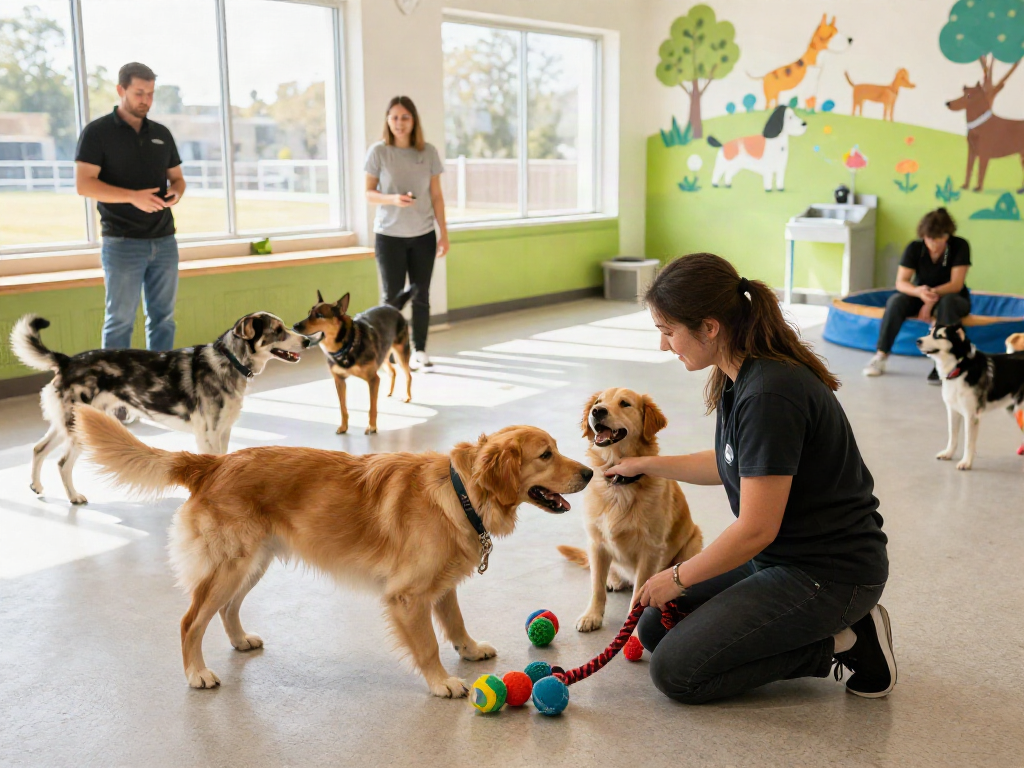
When assessing dog daycare facilities, potential customers should look for several key features. These include appropriate space for play, secure fencing, and comfortable resting areas. Moreover, the presence of indoor and outdoor play areas can enhance the dog's experience, especially during different weather conditions.
Another essential aspect is transparency; facilities should be willing to provide tours and share their operational policies with potential clients. This openness builds trust and allows pet owners to gauge the environment where their dogs will be spending their time.
Staff Qualifications and Safety Protocols
Staff qualifications in any daycare facility are paramount. Employees should be trained in animal behavior and emergency procedures. Look for personnel who are certified in pet first aid and CPR, as this can make a significant difference in emergency situations. Safety protocols should include regular health checks for all dogs, as well as clear guidelines for handling aggressive behavior.
Understanding Playgroup Dynamics
The dynamics of playgroups can greatly affect a dog’s experience in daycare. Staff should assess each dog's temperament before placing them in groups, ensuring compatibility. Smaller groups tend to foster more meaningful interactions among dogs, which can lead to better socialization outcomes.
Cost Comparisons: depo 10k and Alternatives
Breaking Down Pricing Structures
Understanding the cost structures of dog daycare facilities helps pet owners make informed choices. While the depo 10k figure might imply higher expenses, these costs often reflect a facility's commitment to quality care. A breakdown of costs can include daily rates, monthly packages, and additional services like grooming or training.
In comparison, at-home care may seem less expensive upfront but can accumulate costs over time, especially if it requires regular visits from pet sitters or walkers. It's crucial to evaluate the long-term financial impact of each option.
Hidden Costs of At-Home Pet Care
While at-home care may initially appear to be cost-effective, hidden costs can arise. These include providing essential pet supplies, potential wear on home furnishings, or the need for extra services in case of emergencies. Additionally, pet owners might need to factor in their time spent arranging or supervising at-home care, which can be significant.
Long-Term Savings with Professional Daycare
Investing in professional daycare services can yield long-term savings through enhanced dog socialization, which may reduce behavioral issues in the future. Dogs that are well-adjusted and socially proficient often require fewer resources for behavioral training and have lowered stress levels, addressing potentially costly issues before they arise.
Safety and Health Considerations in Pet Care
Vaccination and Health Requirements
Most dog daycare facilities will require proof of vaccinations and a health assessment before accepting a dog. This is a crucial safety measure that protects all dogs within the facility from communicable diseases. Pet owners should ensure their dogs are up-to-date on their vaccinations, including rabies, distemper, and Bordetella.
Emergency Protocols in Daycare Facilities
Understanding the emergency protocols in place at a daycare facility can provide peace of mind for pet owners. Facilities should have clear procedures for various emergency situations, including sudden illness or aggressive behavior from a dog. Staff should be trained to execute these protocols effectively, ensuring the safety of all pets in their care.
Grooming and Health Maintenance Services
Many dog daycare facilities offer added services such as grooming, which can streamline care for pet owners. Regular grooming not only keeps the dog looking good but also contributes to its overall health by reducing the risk of skin issues and infections. This convenience often makes daycare a more appealing option for busy pet owners.
Embracing the Future of Pet Care in 2026
Technology Innovations in Dog Daycares
The future of pet care is rapidly transforming with technology playing a pivotal role. From webcam access in daycare facilities allowing owners to check on their pets to apps that provide updates about their dog’s activities, the integration of tech in pet care is enhancing the customer experience. Facilities that adopt these innovations are often perceived as more trustworthy and reliable.
Trends in Home Pet Care Services
In 2026, we can expect the home pet care sector to evolve as well, with more personalized services becoming available. These may include tailored dietary plans, specialized training, and greater access to community resources. As pet ownership continues to rise, the demand for these services will likely lead to further innovations.
Community and Socialization for Dogs: Essential for Their Development
Community engagement and socialization opportunities will play an increasingly pivotal role in dog daycare services. Understanding how dogs interact with others and their environment is essential for their development. Facilities that promote socialization through group activities will likely be more favored, creating a positive effect on both dog behavior and owner satisfaction.
What factors should I consider before choosing a dog daycare?
Choosing a dog daycare is a significant decision that impacts both the pet and the owner. Factors to consider include the facility's reputation, staff qualifications, safety protocols, and the overall environment. Visiting the facility and observing interactions can provide valuable insights.
How can I prepare my dog for daycare?
Preparing your dog for daycare involves gradual acclimatization to the new environment. Start by introducing shorter visits and familiarizing your dog with the staff and other dogs. Positive reinforcement during these visits can help ease any anxiety.
What are the signs that my dog enjoys daycare?
Signs that your dog enjoys daycare can include excitement upon arrival, eagerness to engage with other dogs, and relaxation during rest periods. Monitoring your dog's behavior at home can also reveal whether they are positively impacted by their daycare experiences.
How is depo 10k applied in the dog daycare industry?
Depo 10k is applied in the dog daycare industry as a measure of operational capacity and quality assurance. Facilities that meet this benchmark usually invest in better staffing, enhanced safety protocols, and more engaging activities for dogs, thereby ensuring a higher standard of care.
Are there specific regulations for dog daycare facilities?
Yes, dog daycare facilities must adhere to various regulations depending on their location. These regulations often include licensing requirements, health and safety standards, and guidelines for pet interactions. Familiarizing oneself with these regulations can help pet owners choose compliant and trustworthy facilities.