
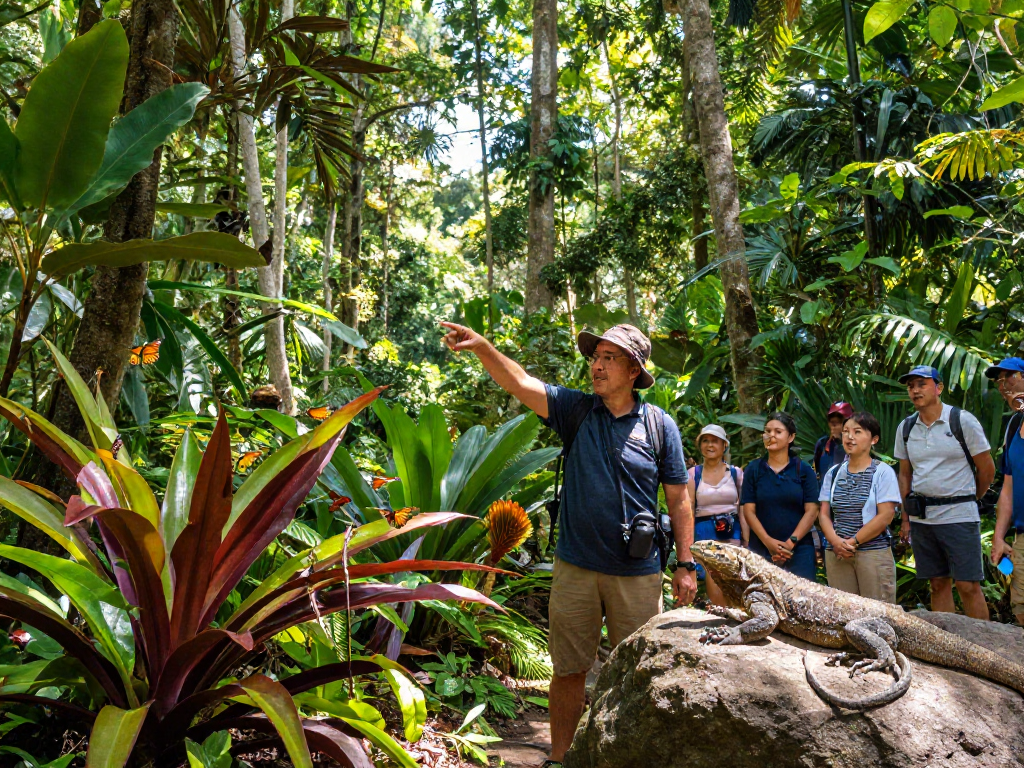
Understanding Indonesia's Biodiversity Landscape
Indonesia is often heralded as a biodiversity hotspot, possessing some of the richest ecosystems on the planet. Its unique geographical position, spanning from the Indian Ocean to the Pacific, creates a wealth of environmental diversity that supports an extraordinary variety of flora and fauna. From the lush rainforests teeming with life to the vibrant coral reefs that house countless marine species, the variety of ecosystems is unmatched. As nature enthusiasts and researchers alike delve into this vast treasure trove, platforms like rokok 88 play a crucial role in disseminating valuable information about Indonesia’s biodiversity, encouraging conservation efforts and educational initiatives.
What is Biodiversity?
Biodiversity refers to the variety of life on Earth, encompassing the diversity within species, between species, and of ecosystems. It is fundamental to maintaining ecosystem services that are essential for human survival, such as clean air, water, and pollination of crops. High levels of biodiversity can help ecosystems withstand changes and disruptions, making them resilient to challenges such as climate change.
The Significance of Indonesia's Ecosystems
Indonesia’s ecosystems are significant not just for the country but for the entire globe. The rich rainforests are home to a vast array of species, many of which are endemic to the region. These include the endangered Sumatran tiger and the critically endangered orangutan, both iconic species that symbolize the richness of Indonesia’s wildlife. Furthermore, the coral reefs surrounding Indonesia are among the most diverse in the world, providing habitat for numerous marine species and playing a vital role in the health of the ocean.
Key Species: Flora and Fauna Found in Indonesia
Indonesia boasts a remarkable variety of species, with thousands of plants and animals that contribute to its rich biodiversity. Some notable species include:
- Komodo Dragon: The largest living lizard, found only on a few islands in Indonesia.
- Jalak Bali (Bali Starling): An endemic bird that has become a symbol of conservation efforts due to its declining population.
- Rafflesia arnoldii: Known for producing the world’s largest flower, this plant is found in Sumatra and Borneo.
- Orangutan: One of the most intelligent primates, the orangutan is critically endangered due to habitat loss.
- Black Orchid: A rare flower that grows in the rainforests of Indonesia, representing the country’s unique flora.
Challenges Facing Biodiversity in Indonesia
Deforestation and Habitat Loss
Indonesia faces severe challenges concerning biodiversity, primarily due to deforestation and habitat loss. Rapid industrialization, agriculture, and illegal logging have led to significant forest degradation. The impact of these activities is particularly pronounced in regions like Sumatra and Borneo, where vast stretches of rainforest have been cleared, drastically affecting species populations and their natural habitats.
Impact of Climate Change on Local Species
Climate change poses an additional threat, altering weather patterns and impacting the delicate balance within ecosystems. Rising temperatures, changing rainfall patterns, and increased frequency of natural disasters are affecting species survival. For instance, marine species are experiencing habitat changes as ocean temperatures rise, impacting coral reefs and the myriad of species that depend on them.
Invasive Species and Their Threats
Invasive species are another significant threat to Indonesia’s biodiversity. Non-native species often compete with local flora and fauna for resources, leading to declines in native populations. For example, the introduction of certain agricultural crops has negatively impacted local biodiversity, leading to the displacement of native plants and animals.
ROKOK88: A Portal for Biodiversity Awareness
Educational Resources Available Through ROKOK88
ROKOK88 serves as an essential resource for those eager to learn more about Indonesia's unique biodiversity. The platform provides educational content that addresses various aspects of flora and fauna, promoting awareness of conservation issues. By offering articles, studies, and engaging visuals, ROKOK88 helps bridge the gap between scientific research and public awareness, inspiring action towards biodiversity conservation.
Engagement Initiatives for Conservation
In addition to educational resources, ROKOK88 initiates various engagement programs aimed at fostering community participation in biodiversity conservation. From organizing clean-up drives in local habitats to collaborating with schools on educational projects, ROKOK88 actively encourages individuals to play a role in protecting their natural environment.
How to Contribute to Biodiversity Efforts
Individuals interested in contributing to biodiversity efforts can do so in several ways. Simple actions like reducing plastic usage, participating in local conservation projects, and supporting sustainable products can have a meaningful impact. Furthermore, spreading awareness about the importance of biodiversity can inspire others to take action, creating a ripple effect within the community.
Future Trends in Biodiversity Conservation
Technological Advancements in Conservation Efforts
Looking ahead, technology is expected to play a significant role in biodiversity conservation. Innovations such as satellite monitoring for deforestation, drones for wildlife tracking, and advanced data analytics for species monitoring are promising tools that can enhance conservation efforts. These technologies provide valuable insights that can inform better strategies for protecting endangered species and their habitats.
Community Involvement in Biodiversity Protection
Community involvement remains crucial in the fight to protect biodiversity. As awareness grows, more individuals and local organizations are stepping forward to participate in conservation activities. Engaging local communities provides a sustainable approach as it ensures that conservation efforts are rooted in the needs and interests of those who live closest to the land.
Predictions for Biodiversity Policy Changes by 2026
By 2026, it is expected that Indonesian biodiversity policies will shift towards more inclusive frameworks, incorporating traditional ecological knowledge alongside scientific research. Efforts to strengthen legislative support for biodiversity protection, enhance enforcement against illegal logging and poaching, and increase funding for conservation projects will be crucial in preserving Indonesia’s biodiversity for future generations.
Frequently Asked Questions
What are the main threats to Indonesia's biodiversity?
The main threats include deforestation, climate change, and invasive species, all of which significantly affect various ecosystems and the species that inhabit them.
How can I get involved in conservation efforts?
Individuals can participate by engaging in local initiatives, supporting conservation NGOs, and spreading awareness about biodiversity issues to inspire collective action within their communities.
What unique species can I expect to see in Indonesia?
Visitors can expect to encounter unique species such as the Komodo dragon, Sumatran tiger, and various endemic plants like Rafflesia arnoldii and the Black Orchid.
How does ROKOK88 contribute to biodiversity education?
ROKOK88 offers extensive educational resources, engages communities in conservation efforts, and raises awareness on biodiversity issues through informative content.
What future challenges may affect Indonesia's ecosystems?
Future challenges may include increased impacts from climate change, ongoing habitat loss, and the threat of invasive species, as well as potential socio-economic pressures as the population grows and urbanization expands.