
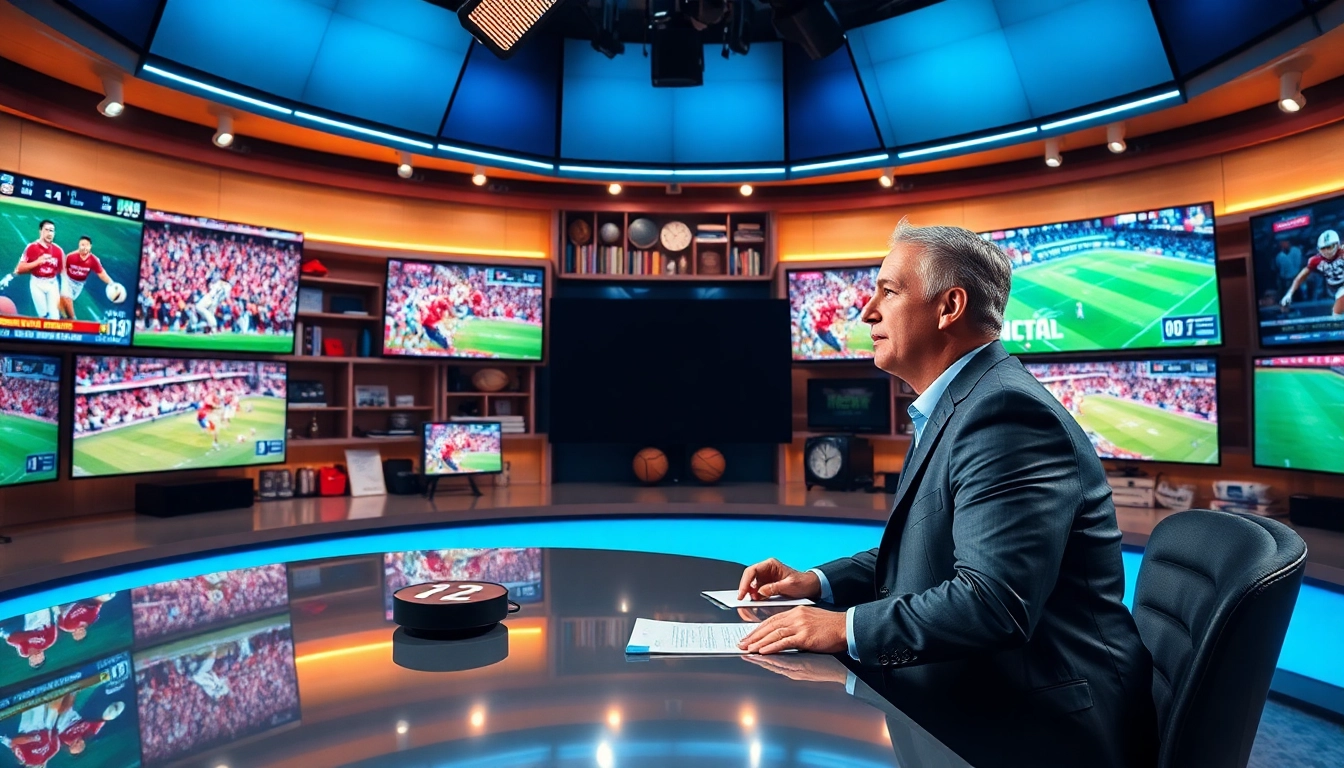
Introduction to Sports Broadcasting
Sports Broadcasting is an essential medium that connects fans with the events they love, offering access to thrilling moments and pivotal games. As a dynamic and ever-evolving field, Sports Broadcasting encompasses the distribution of live or recorded sports content through various platforms, including television, radio, and digital avenues. With the rise of technology and shifting viewer preferences, understanding this space has never been more critical for industry stakeholders.
What is Sports Broadcasting?
Sports Broadcasting refers to the transmission of live or recorded sporting events to a broad audience. This can occur through multiple channels, including traditional television and radio broadcasts, as well as online streaming platforms. A characteristic feature of sports broadcasting is its ability to reach audiences in real-time, offering an immersive experience that allows fans to witness pivotal moments in their favorite sports.
The Evolution of Sports Broadcasting
The journey of sports broadcasting is marked by significant technological advancements and changes in viewer habits. In the early days, broadcasts were limited to radio and later expanded to black-and-white television. The advent of color television transformed the viewing experience, making games more vibrant and engaging. As technology further evolved, cable networks emerged, offering dedicated sports channels, leading to an explosion of live coverage of various sporting events across the globe.
Today, the rapid adoption of the internet has ushered in the digital era of sports broadcasting. Streaming services provide fans with on-demand access to games, behind-the-scenes content, and analysis shows, fundamentally altering how audiences consume sports. The integration of social media has further allowed broadcasters to engage directly with fans, facilitating a two-way communication channel.
Why Sports Broadcasting Matters
Sports broadcasting goes beyond merely showing games; it plays a crucial role in fan engagement, economic impact, and the promotion of sports culture. It fosters community by uniting fans, providing a shared experience that transcends geographical boundaries. Furthermore, sports broadcasting significantly contributes to local and national economies through advertising and sponsorship revenue, and it creates jobs within the industry. Ultimately, it shapes how sports are perceived and enjoyed globally.
Key Elements of Effective Sports Broadcasting
Understanding the Audience Needs
A cornerstone of successful sports broadcasting is a profound understanding of the audience’s needs and preferences. Broadcasters must recognize demographics, viewing habits, and the types of content that resonate with fans. For example, younger audiences may prefer highlights and interactive content, while older fans enjoy traditional game broadcasts. Leveraging audience analytics tools can help broadcasters tailor their offerings for maximum engagement.
Choosing the Right Technology
The technological backbone of sports broadcasting is crucial for delivering high-quality content to viewers. Broadcasters must invest in state-of-the-art camera systems, broadcasting software, and reliable internet connections to ensure seamless live coverage. Emerging technologies, such as 4K and 8K resolution, provide an elevated viewing experience, while multi-camera angles offer audiences unprecedented access to the action. Additionally, technologies like augmented reality and real-time data integration can enrich the storytelling aspect of sports coverage.
Content Format and Delivery
Effective sports broadcasting combines various content formats, including live coverage, pre-game analysis, post-game commentary, and highlight reels. Delivering content through diverse channels—such as live television, mobile apps, and social media—allows broadcasters to reach a broader audience. Moreover, incorporating interactive elements, such as polls, live chat, and viewer feedback features, can enhance user experience, making broadcasts more engaging.
Best Practices for Engaging Sports Broadcasting
Utilizing Interactive Features
Engagement in sports broadcasting is paramount, and interactive features are a powerful tool for enhancing viewer experiences. Broadcasters can use social media platforms to enable real-time interaction during games, such as live tweeting or audience polls on decisions made during a match. Additionally, incorporating analytics-driven features, like stats and player tracking, provides fans with deeper insights into the game, keeping them engaged long after the broadcast ends.
Building a Brand Identity
A strong brand identity is essential for any sports broadcaster aiming to capture and retain audience loyalty. This involves defining a unique voice and visual style that resonates with target demographics. Consistency in branding across different platforms—from on-air presentations to social media posts—reinforces recognition and trust among viewers. Engaging storytelling and a commitment to quality content are also crucial in building a broadcaster’s reputation and brand loyalty.
Maintaining Audience Engagement
To maintain long-term engagement, broadcasters need to continuously innovate their content strategies. This may include offering on-demand highlights, in-depth analysis of games, and exclusive interviews with athletes. By staying abreast of emerging trends and technologies, broadcasters can create fresh, relevant content that keeps audiences coming back. Fostering community through fan forums or discussion threads can also enhance viewer loyalty and engagement.
Challenges in Sports Broadcasting
Competition and Market Saturation
The landscape of sports broadcasting has become increasingly competitive, with numerous platforms vying for viewer attention. As traditional networks face competition from streaming services, they must differentiate themselves through unique content offerings or enhanced viewer experiences. Collaborations with sports leagues can also provide exclusive broadcasting rights, serving as an effective strategy to capture a dedicated audience.
Managing Live Broadcasts
Live broadcasting comes with its unique set of challenges, including technical difficulties, unexpected interruptions, and the need for real-time decision-making. Broadcasters must have contingency plans in place to address potential issues quickly and ensure minimal disruption. Well-trained staff, including producers and technical teams, are crucial for maintaining quality and compliance during live events.
Regulatory and Ethical Considerations
Broadcasters must navigate complex regulatory frameworks governing the broadcasting industry, including licensing agreements and content restrictions. Ethical considerations also play a vital role, as broadcasters bear the responsibility of presenting fair and unbiased coverage. Transparency in reporting, adhering to censorship laws, and respecting viewers’ privacy rights are essential to maintaining credibility and trust within the industry.
Future Trends in Sports Broadcasting
The Impact of Streaming Services
As viewers increasingly shift towards streaming services for their entertainment needs, sports broadcasting must adapt to remain relevant. The trend towards subscription-based models is on the rise, offering personalized viewing options that cater to individual preferences. Sports organizations are exploring partnerships with streaming platforms to enhance reach, ensuring fans can access their favorite sports anytime, anywhere.
Emerging Technologies in Broadcasting
The integration of emerging technologies into sports broadcasting is transforming how fans experience events. Virtual reality (VR) and augmented reality (AR) offer immersive viewing experiences that bring fans closer to the action. Moreover, advancements in artificial intelligence (AI) are enhancing content personalization and analytics, allowing broadcasters to provide tailored recommendations based on viewing history and preferences.
Shifts in Viewer Preferences
Today’s viewers exhibit different preferences in how they consume sports content. The demand for shorter, more digestible formats—such as highlights and social media snippets—reflects changing attention spans. Broadcasters must adapt to these preferences by providing diverse content options, ensuring viewers can engage with sports in a manner that suits their lifestyle.
FAQs
What is Sports Broadcasting?
Sports Broadcasting is the distribution of live or recorded sports events to an audience via media outlets like TV, radio, and online platforms.
How has Sports Broadcasting changed recently?
The shift towards digital platforms and streaming services has transformed Sports Broadcasting, making content more accessible and interactive.
What technology is essential for Sports Broadcasting?
Essential technology includes high-quality cameras, broadcasting software, and reliable internet connections for seamless live coverage.
How do broadcasters engage audiences effectively?
Engaging audiences involves utilizing social media, interactive features, and tailored content that resonates with viewers’ preferences.
What are the future trends in Sports Broadcasting?
Future trends involve increased use of augmented reality, personalized content, and a focus on digital streaming over traditional broadcasting methods.